 |
   |
|
|
When To Replace, When to Repair: Making Smart Equipment Lifecycle Decisions
Equipment lifecycle decisions are among the most consequential choices fleet managers make, yet many approach them reactively rather than strategically. A machine breaks. Repair costs are quoted. The decision to replace or to fix often happens in the moment, without the business framework that should guide it. Understanding Total Cost of Ownership This underscores a critical insight: the true cost of equipment failure extends far beyond the repair invoice. Downtime costs include lost productivity, missed project deadlines, and potential customer or contract penalties. Understanding this full cost picture changes how operators evaluate replacement decisions. Equipment choice at purchase directly affects lifecycle economics. Machines engineered for durability, with grease fittings, shaft-driven components, and robust construction, often extend their profitable repair window. Conversely, equipment requiring expensive specialty repairs or featuring difficult component access can cross the replacement threshold faster, despite lower initial purchase price.
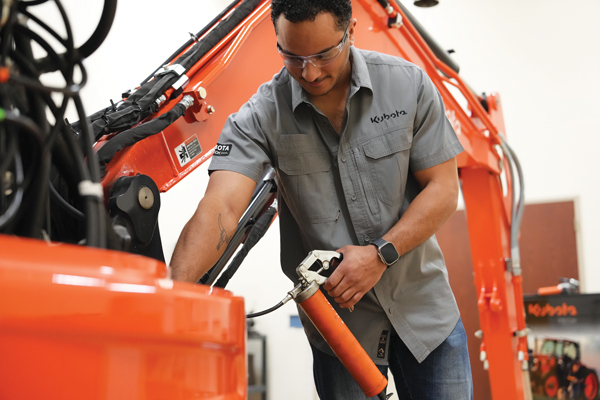
Preventive Maintenance: The Economics of Keeping Equipment Running “Machines with grease fittings are built to last. It may seem like an annoying maintenance item, but greasing pivot points regularly pushes water and dirt out of joints to reduce wear from dust and corrosion from salt,” explained Ben Slute. “It's by far the best bang for your buck when looking at machine maintenance.” Building the Strategic Framework
Equipment lifecycle management is not about maximizing how long a machine lasts; it is about maximizing how long a machine contributes profitably to operations. When operators and business owners understand this distinction and manage accordingly, they move equipment decisions from reactive scrambles into strategic business choices. |
|
|||
© InfraStructures - Tous droits réservés - All rights reserved |
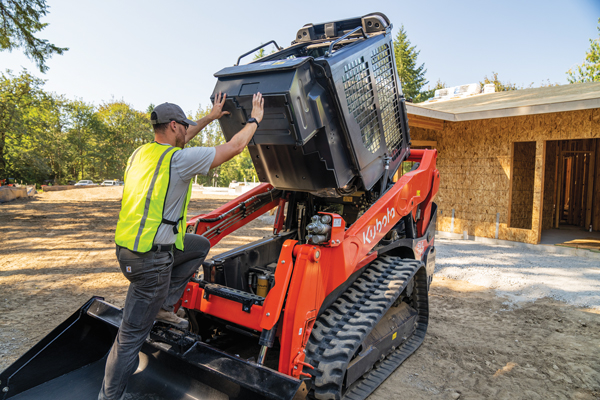
 “Anytime a commercial business is relying on equipment to be running, having a dealer and manufacturer you can rely on for efficient service and fast parts becomes critical,” said Ben Slute, Turf & RTV Product Manager at Kubota Canada. “If a machine is down and the business is waiting for parts, this could cost money in lost contracts or rental equipment.”
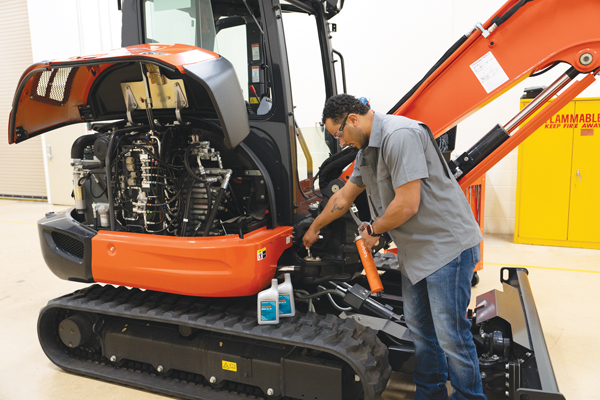 “Looking beyond the spec sheet matters,” noted Mr. Slute. “Does the machine have grease fittings? What type of drivetrain does it use? Is it designed for commercial work or consumer use? These details compound over years of operation.”
 Partagez sur Facebook / Share on Facebook


