 |
   |
|
|
Under the Hood: Why Engineering Design Drives Equipment Reliability
In construction and municipal operations, equipment is expected to perform in demanding conditions, from the extreme cold experienced here in Canada to summer heat, stop-start cycles, and sustained heavy loads. While specifications like horsepower and lift capacity often guide purchasing decisions, long-term reliability is determined by something less visible: what is happening under the hood. For equipment engineers, durability is not just about power. It is the result of deliberate design decisions across engines, hydraulic systems, and undercarriages. Machines built for consistent performance across variable conditions often outperform those optimized purely for peak output. Designing for Reliability vs. Peak Performance “In real-world conditions, machines are not operating at peak output all the time,” said Jonathan Gardner, Construction Product Manager at Kubota Canada. “They are constantly adjusting to load changes, idling, restarting. That is where durability-focused design really shows up.” The Real Impact of Stop-Start Work The result is not just a difference in performance, but also in operating cost. More frequent revving, increased fuel consumption, and added wear can all contribute to reduced efficiency over time. Engineering Details That Extend Engine Life Lubrication systems also play a key role, with higher-capacity oil pumps and improved filtration helping reduce wear over time. “These are the details that do not always show up on a spec sheet,” explained Mr. Gardner. “But they have a direct impact on how the machine performs over thousands of hours.” Built for Canada’s Climate To address these conditions, engineers incorporate features such as block heaters, glow plugs, and cold-weather fluids designed to maintain performance in low temperatures. “When you are dealing with cold starts, everything is working against the engine,” said Jonathan Gardner. “Design features that support combustion and fluid flow in those conditions make a big difference in long-term reliability.” At the other end of the spectrum, sustained high-load work in summer heat introduces thermal stress. Systems designed with adequate cooling capacity and temperature control strategies are critical to maintaining performance under these conditions.
Advanced systems, such as variable-displacement piston pumps with load-sensing control, adjust flow and pressure to match demand, resulting in smoother operation and improved efficiency. “When a machine hesitates or feels unpredictable, it impacts productivity right away,” said Mr. Gardner. “Operators need to feel connected to the equipment, especially in precision work.” Undercarriage Design and Long-Term Durability Design features that promote durability include rigid undercarriage structures and systems designed to shed dirt and debris, helping prevent buildup that can increase friction and wear. Environmental exposure also plays a role. Road salt can accelerate corrosion, making regular cleaning essential for maintaining long-term performance. System Integration: Where Reliability Comes Together “When these systems are not properly integrated, you feel it immediately,” explained Jonathan Gardner. “The machine is not smooth, and the operator has to work harder to get the same result.” Designing for the Long Term Manufacturers validate these design choices through a combination of controlled testing and real-world use, ensuring equipment performs reliably across a wide range of operating conditions. |
|
|||
© InfraStructures - Tous droits réservés - All rights reserved |
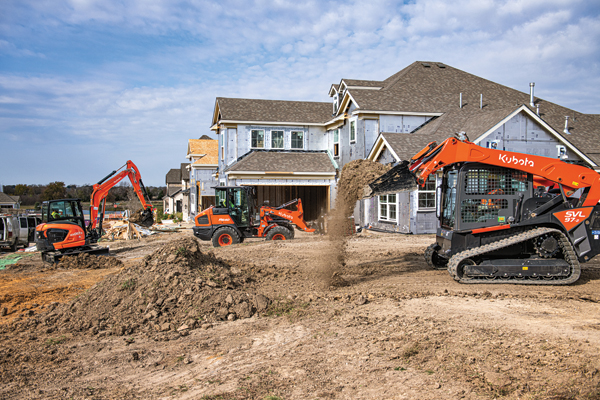
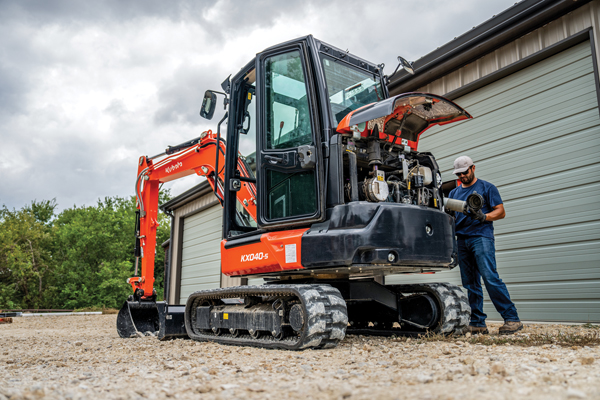 Engines designed for efficiency and longevity are often governed to reduce sudden spikes in stress when loads are applied. They are also better suited to tolerate extended idle periods and repeated restarts without excessive wear. By comparison, high-horsepower engines optimized for rapid throttle response can feel less efficient in these conditions and often require higher RPM to deliver usable torque.
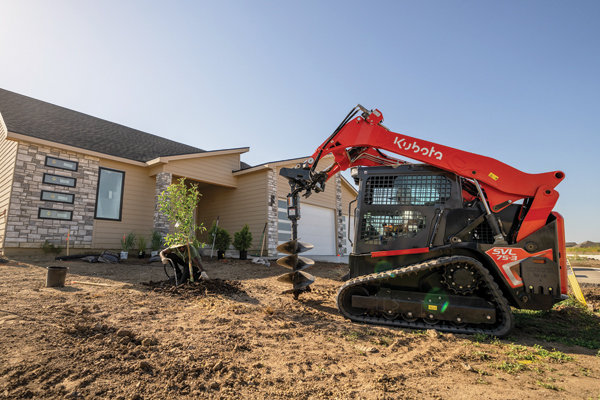 Hydraulics: Precision Drives Productivity
 Partagez sur Facebook / Share on Facebook


